
Best Glutathione Supplement for Seniors
This guide contains affiliate links. If you buy through them, we may earn a small commission at no extra cost to you.
Choosing the best glutathione supplement for seniors comes down to form and absorption. Glutathione is often called the master antioxidant, and the label is earned. Unlike vitamin C or vitamin E, which neutralize free radicals and then require recycling by other antioxidants, glutathione operates throughout every cell in the body, neutralizing reactive oxygen species, regenerating other antioxidants, supporting the liver’s detoxification processes, and maintaining the immune system’s killing capacity. It is a central player in cellular health, not a peripheral one.
The challenge for seniors is that glutathione levels drop significantly with age. Research suggests plasma glutathione can decline 30-50% between young adulthood and your 60s. This decline is not trivial. It correlates with increased oxidative stress, reduced immune response, slower recovery from illness, and compromised ability to detoxify environmental chemicals that accumulate over a lifetime.
Supplementing glutathione has historically been complicated by absorption questions, but newer formulations using the Setria brand of reduced glutathione and liposomal delivery systems have provided clearer evidence that oral supplementation can raise blood levels meaningfully. For seniors looking to support cellular protection, liver function, and immune resilience, this is now a more tractable intervention than it was a decade ago.
Table of Contents
Why Glutathione Matters After 50
Every cell in your body produces its own glutathione, and every cell uses it. It maintains the balance between oxidized and reduced states in the cell, a balance critical for signaling, enzyme function, and DNA repair. When glutathione is depleted, cells become vulnerable to oxidative damage in a way that vitamins C and E cannot fully compensate for, because those antioxidants operate outside cells and cannot replace intracellular glutathione function.
Popular Supplement Guides:


The liver depends on glutathione heavily for phase II detoxification, the process by which environmental toxins, medications, and metabolic waste products are made water-soluble and excreted. As glutathione levels decline with age and the body’s total chemical burden tends to increase due to medication use and lifetime exposure accumulation, this detoxification capacity weakens. Supporting glutathione supports the liver’s ability to do its job.
Immune function has a direct glutathione dependency. Natural killer cells and T cells require adequate glutathione to proliferate and mount effective immune responses. Low glutathione in immune cells correlates with impaired response to infections and reduced vaccine effectiveness, both concerns that become more clinically significant with age. This is one reason glutathione is sometimes discussed in the context of infectious illness recovery in older adults.
Mitochondria are particularly vulnerable to oxidative damage, and glutathione is one of the primary defenses against that damage inside mitochondria. Mitochondrial glutathione depletion is considered a key early event in the age-related decline in cellular energy production. Supporting glutathione levels may help preserve mitochondrial function and the energy output that depends on it.
Your body makes glutathione from cysteine, which is why our guide to the best NAC supplement for seniors is worth reading alongside this one. For liver support specifically, see our review of milk thistle for seniors.
What to Look for in a Glutathione Supplement
Form is the first critical variable. The supplement must be reduced glutathione (L-glutathione), also written as GSH, which is the biologically active form. Oxidized glutathione (GSSG) has no meaningful supplemental benefit. Some products just list ‘glutathione’ without specifying the form. Look specifically for ‘reduced’ on the label.
Ingredient quality benchmarks exist for glutathione. Setria is the gold standard branded ingredient, produced by Kyowa Hakko in Japan and clinically studied for oral absorption. Products using Setria have published human trial data behind them. Generic glutathione ingredients may be fine, but they lack the same research backing.
Delivery format determines how much glutathione actually reaches circulation. Standard capsules with reduced glutathione have shown efficacy in studies using Setria. Sustained-release formulations aim to extend absorption windows. Liposomal liquid forms bypass digestive breakdown most effectively but come at a higher cost. The right choice depends on your budget and specific health priorities.
Supporting cofactors improve the picture. Glutathione recycling, the process by which oxidized glutathione is converted back to its reduced form, depends on alpha lipoic acid, vitamin C, and selenium. Products that include these nutrients alongside glutathione address the whole system rather than just adding raw glutathione that may become depleted quickly without the recycling support.

Quick Comparison
| Product | Best for | Form |
|---|---|---|
| Jarrow Formulas Reduced Glutathione 500mg | Best overall | 500 mg reduced L-glutathione |
| Thorne Glutathione-SR | Sustained release | Sustained-release, NSF Certified |
| Life Extension Glutathione, Cysteine and C | Precursor stack | NAC plus vitamin C |
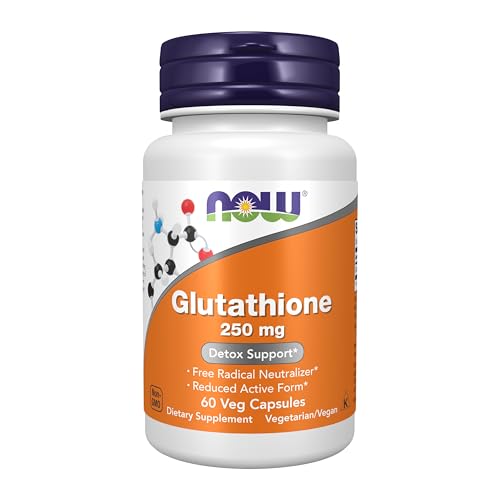
| NOW Foods Glutathione 250mg | Budget | 500 mg with milk thistle and alpha lipoic acid |
| Quicksilver Scientific Liposomal Glutathione | Absorption | Liposomal liquid |
Top Picks for the Best Glutathione Supplement for Seniors
Jarrow Formulas Reduced Glutathione 500mg
Jarrow Formulas uses Setria, the clinically validated reduced glutathione ingredient with published human trial data confirming meaningful absorption. The 500mg dose per capsule puts it at or above the range used in most efficacy studies. Jarrow’s reputation for quality ingredients and manufacturing standards adds to the confidence here. This is the product closest to what the research literature actually tested.
The price is reasonable given the branded ingredient, and the 14,000+ reviews reflect how widely seniors have adopted this specific product. If you want one glutathione product backed by the most direct research evidence, Jarrow with Setria is the clear starting point.
Thorne Glutathione-SR
Thorne Glutathione-SR uses a sustained-release matrix to extend the absorption window for reduced glutathione, addressing one of the core challenges with oral supplementation. Rather than a single spike of glutathione hitting the digestive tract, the SR formulation releases it gradually, which may improve the proportion that is absorbed before breakdown. NSF Certified for Sport adds third-party quality verification that matters for product integrity.
At 225mg per capsule rather than 500mg, the dose is lower, but the sustained-release delivery is intended to compensate. Thorne’s practitioner-grade positioning means this product appears in clinical settings and functional medicine practices, which is meaningful context. For seniors working with integrative physicians, this is often the recommended form.
Life Extension Glutathione Cysteine & C
Life Extension’s approach here bypasses the oral glutathione absorption debate entirely by providing the precursors the body needs to make its own glutathione. N-acetyl cysteine supplies cysteine, which is the rate-limiting amino acid in glutathione synthesis. Vitamin C protects existing glutathione from oxidation and helps recycle used glutathione back to its active form. Together, they support the glutathione system from the production and recycling side rather than the direct supplementation side.
This approach has strong research backing in clinical populations and may be more effective per dollar than direct glutathione supplementation for some individuals. The combination formula is also broadly useful for immune and liver support even independently of glutathione’s specific effects.
NOW Foods Glutathione 250mg
NOW Foods offers reduced glutathione at 250mg per vegetarian capsule. It is a plain, single-ingredient formula, which makes it easy to adjust the dose by taking one or two capsules. NOW’s A-rated GMP certification and track record provide quality assurance, and the price makes it accessible for daily use over the months needed to assess results.
Two capsules give you 500mg, which matches the dose used in much of the clinical research. For seniors who want a budget glutathione with flexible dosing, NOW covers that need affordably.
Quicksilver Scientific Liposomal Glutathione
Quicksilver Scientific specializes in liposomal delivery, and their glutathione product is among the most sophisticated in the category. The liposomal encapsulation protects glutathione from digestive enzymes and allows absorption through the oral mucosa and intestinal wall directly into the lymphatic system, bypassing much of the first-pass digestive breakdown. The citrus mint liquid format makes dosing easy for seniors who have difficulty swallowing capsules.
The price is the highest in this roundup, which reflects both the delivery technology and Quicksilver’s premium positioning. For seniors with documented absorption issues, or those who have not responded to standard capsule formats, the liposomal approach offers a meaningfully different mechanism worth the additional cost. A little goes a long way, and the liquid allows for easy dose adjustment.
How to Choose the Best Glutathione Supplement for Seniors
Seniors new to glutathione supplementation should start with Jarrow Formulas Reduced Glutathione using Setria for the clearest research alignment, or Life Extension’s NAC plus vitamin C approach if absorption concerns are a priority. Both are effective, well-documented strategies. If you have worked with a functional medicine physician and want a clinical-grade option, Thorne Glutathione-SR provides practitioner-level quality assurance.
Budget matters for sustained supplementation. Glutathione benefits accumulate over months of consistent use rather than showing immediate dramatic effects. NOW Foods provides the most affordable path to daily 500mg dosing with supporting cofactors included. Quicksilver Scientific is best reserved for situations where standard formats have not produced results or where physician guidance specifically recommends the liposomal form.
Frequently Asked Questions
Can you actually absorb oral glutathione?
This was long debated because glutathione is a tripeptide that digestive enzymes can break down before absorption. However, research using Setria brand reduced glutathione has demonstrated that oral supplementation does measurably increase blood glutathione levels in humans when taken consistently over several weeks. The key is using the reduced form from a quality manufacturer, not just any glutathione product.
Is NAC better than glutathione?
N-acetyl cysteine (NAC) provides cysteine, the rate-limiting building block for glutathione synthesis, allowing the body to make its own glutathione rather than absorbing it directly. Some researchers prefer this approach as it bypasses absorption challenges. Others argue direct reduced glutathione supplementation is more reliable. Many seniors use both, and the combination of NAC plus direct glutathione may produce better results than either alone.
How much glutathione should seniors take?
Most clinical studies on oral glutathione have used 250-1,000mg per day. The 500mg per day dose appears to be a reasonable starting point for seniors based on available evidence. Thorne’s sustained-release product delivers 225mg in a format designed for prolonged absorption, which may be more effective than a single large dose. Starting lower and building up is sensible for most people.
Does glutathione help with energy?
Glutathione supports mitochondrial function by reducing oxidative damage to mitochondria, which can indirectly support energy levels. Some users report improved energy and reduced fatigue with consistent supplementation. This is plausible given glutathione’s role in protecting the cellular machinery that produces ATP, though large controlled trials specifically on energy outcomes are limited.
Is liposomal glutathione worth the extra cost?
Liposomal glutathione bypasses digestive breakdown by encapsulating the molecule in phospholipid vesicles that are absorbed through the intestinal wall more directly. Studies comparing liposomal versus standard reduced glutathione suggest the liposomal form produces higher blood levels. Whether this translates to meaningfully different health outcomes is not yet established, but for seniors with absorption concerns or digestive issues, the premium may be justified.
Glutathione deficiency is not a fringe concern for seniors. It is a well-documented biological reality with real consequences for immune function, liver health, and cellular aging. The good news is that targeted supplementation, whether through direct reduced glutathione, liposomal formats, or precursor-based approaches, has meaningful evidence behind it. For seniors building a comprehensive supplement strategy, glutathione deserves a place in the foundation alongside a physician’s guidance on form and dose.