
Best Ashwagandha Supplement for Seniors: 5 Vetted Options
This guide contains affiliate links. If you buy through them, we may earn a small commission at no extra cost to you.
Finding the best ashwagandha supplement for seniors starts with the extract type and the dose. Cortisol does not become less of a problem as you get older. It tends to become more of one. Chronic stress in older adults is tied to accelerated muscle loss, disrupted sleep, immune suppression, and cognitive decline. Ashwagandha has emerged as one of the more substantively researched adaptogens for addressing this, with multiple human clinical trials showing measurable reductions in cortisol, improvements in perceived stress, and in several studies, real gains in muscle strength in older adults. But not all ashwagandha products are the same, and the difference between a standardized extract and a raw root powder is meaningful.
Table of Contents
Why ashwagandha matters for seniors
Ashwagandha (Withania somnifera) is an Ayurvedic herb with a long history of traditional use, but the clinical interest in it is relatively recent and based on measurable mechanisms. Its primary active compounds, withanolides, appear to suppress the HPA axis response that drives cortisol production, and they interact with GABA receptors in ways that promote relaxation and sleep quality. For seniors specifically, the cortisol-lowering effect is relevant because older adults tend to have higher baseline cortisol and less capacity to regulate it after stress. Several trials in adults over 50 have found that ashwagandha supplementation reduces cortisol by 15 to 30 percent over 8 to 12 weeks, with accompanying improvements in sleep onset, morning energy, and self-reported anxiety.
Before starting ashwagandha, read the National Center for Complementary and Integrative Health ashwagandha overview, which covers what the research shows and the safety concerns to discuss with your doctor. For related reading, see ashwagandha for women over 50 and our guide to the best rhodiola rosea supplement for seniors, another adaptogen.
What to look for in an ashwagandha supplement
The most important distinction in ashwagandha is between standardized extracts and generic root powder. Raw root powder sold in bulk capsules contains variable amounts of withanolides, the compounds responsible for the effects studied in clinical trials. Standardized extracts like KSM-66 and Sensoril guarantee a specific withanolide percentage and have their own published human research. KSM-66 is standardized to at least 5 percent withanolides from root only and has the strongest evidence base for physical performance, stress reduction, and testosterone. Sensoril uses root and leaf, is standardized to 10 percent withanolides, and requires lower doses to hit therapeutic levels. Third-party testing and GMP certification matter more here than in some supplement categories because ashwagandha quality varies widely by source and processing.
Popular Supplement Guides:


Quick Comparison
| Product | Best for | Key detail |
|---|---|---|
| KSM-66 Ashwagandha by Jarrow Formulas 300mg | Best overall for seniors | KSM-66 extract, 300mg |
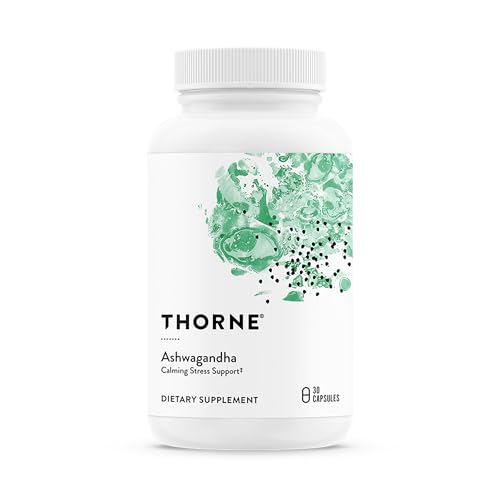
| Thorne Ashwagandha | Best practitioner pick | NSF Certified, Sensoril extract, 125mg |
| Nutricost KSM-66 Ashwagandha 600mg | Best high-dose | 600mg KSM-66 per serving |
| Life Extension Ashwagandha 60mg | Best low-dose for sensitive seniors | Sensoril 60mg |
| NOW Foods Ashwagandha 450mg | Best budget | 450mg root extract, GMP certified |
Top Picks for the Best Ashwagandha Supplement for Seniors
KSM-66 Ashwagandha by Jarrow Formulas 300mg: Best Ashwagandha Supplement for Seniors Overall
Jarrow’s KSM-66 is the straightforward choice for seniors who want the most researched extract at a dose that matches the clinical literature. KSM-66 is produced by Ixoreal Biomed in India using a proprietary cold-extraction process that preserves the full-spectrum root profile without solvents. The 300mg dose aligns with most of the published trials showing cortisol reduction and improved stress markers. Jarrow is a reputable manufacturer with a long track record for third-party testing.
For the price, this is genuinely hard to beat. At around $20 for a month’s supply of properly dosed KSM-66, it undercuts most competitors selling the same extract. The capsule format is straightforward with no unnecessary additives. Most seniors using ashwagandha for the first time will do well starting here before considering higher doses or specialty brands.
Thorne Ashwagandha: Best Practitioner Pick
Thorne is consistently one of the most trusted names in practitioner-grade supplements, and their ashwagandha uses a highly concentrated Shoden extract standardized to 35% withanolide glycosides. Because it is so concentrated, one capsule a day is the full dose. Thorne runs four rounds of testing on its products, which matters for seniors who want high confidence in what they are taking.
Thorne positions this extract for stress, daytime energy, mental clarity and sleep quality, making it a good fit for seniors whose primary concerns are mental clarity and nighttime rest rather than physical performance. It costs more than some options, but the testing and low one-capsule dose appeal to people with medication concerns or sensitivity to supplements.

Nutricost KSM-66 Ashwagandha 600mg: Best High-Dose
Several clinical trials on ashwagandha and muscle strength, including a well-cited study in the Journal of the International Society of Sports Nutrition, used 600mg of KSM-66 per day. Nutricost hits that dose in a single capsule of KSM-66 root extract standardized to 5% withanolides, which simplifies dosing for seniors who do not want to take multiple pills. It also includes BioPerine.
For seniors who have tried lower doses without noticeable effect, stepping up to 600mg is a reasonable next move before concluding the herb does not work for them. The trial evidence at this dose for strength and muscle recovery is meaningful for older adults trying to maintain physical capacity, and Nutricost delivers it at a price that remains accessible.
Life Extension Ashwagandha 60mg: Best Low-Dose for Sensitive Seniors
Life Extension’s low-dose Sensoril at 60mg is the right starting point for seniors who are cautious about adaptogens, take multiple medications, or have had sensitivities to herbal supplements in the past. It is a clinically relevant dose because Sensoril’s higher withanolide concentration means 60mg delivers meaningful activity. Life Extension has a strong reputation for research-backed formulations and consistent quality.
At $14 for a month’s supply, it is also one of the most affordable ways to try ashwagandha. If you tolerate it well and want to step up, you can move to a higher dose product. This makes it an ideal first purchase for the ashwagandha-curious senior who prefers to start low and go slow with anything new.
NOW Foods Ashwagandha 450mg: Best Budget Pick
NOW Foods is one of the most reliable value-tier manufacturers in the supplement space. Their ashwagandha uses a root extract at 450mg per capsule. It is not KSM-66 or Sensoril branded, but NOW’s manufacturing standards and GMP certification provide reasonable confidence in consistency and purity. For seniors who want daily ashwagandha support without a large monthly outlay, this delivers.
The dose sits in the middle of the evidence-supported range. Results will vary more than with a standardized extract because withanolide content is not guaranteed, but across 17,000-plus reviews the product has demonstrated reliable effects on stress and energy for the majority of users. At under $13, it is the most accessible entry point on this list.
How to Choose the Best Ashwagandha Supplement for Seniors
If you want the best-documented extract at the lowest cost, Jarrow’s KSM-66 at 300mg is the place to start. If sleep and cognitive function are your priorities and you have medication sensitivities, Thorne’s Shoden extract offers a low one-capsule dose from a heavily tested brand. Seniors newer to adaptogens should consider Life Extension’s low-dose Sensoril before committing to higher doses. The 600mg Nutricost option makes sense if physical performance and muscle maintenance are the goal. NOW Foods is the right pick if budget is the primary constraint and you are comfortable with a non-branded extract.
Frequently Asked Questions
Is ashwagandha safe for seniors?
For most healthy seniors, ashwagandha is well-tolerated at standard doses of 300 to 600mg of a root extract. The main cautions are for people on thyroid medications, sedatives, or immunosuppressants, where interactions are possible. Seniors with autoimmune conditions should also discuss it with their doctor before starting, as ashwagandha is thought to modulate immune activity.
Does ashwagandha interact with medications?
Yes, some interactions are worth knowing. Ashwagandha can enhance the effects of sedative medications and benzodiazepines. It may also affect thyroid hormone levels, which matters for anyone already on thyroid medication. There is also potential for interaction with immunosuppressant drugs. If you take any of these regularly, talk to your physician before adding ashwagandha.
How long before ashwagandha works?
Most clinical studies showing meaningful effects on stress, cortisol, and physical performance run 8 to 12 weeks. Some people notice sleep and mood changes within 2 to 4 weeks, but changes in physical strength or body composition typically take longer. Ashwagandha is not a fast-acting supplement; consistent daily use over 2 to 3 months is where the evidence base sits.
What is the difference between KSM-66 and Sensoril?
Both are patented, standardized ashwagandha root extracts with published clinical research. KSM-66 uses only the root and is standardized to at least 5 percent withanolides, with a stronger evidence base for physical performance and stress. Sensoril uses both root and leaf and is standardized to a higher withanolide percentage, so effective doses are lower. Sensoril tends to be cited more in studies on cognitive function and sleep.
Can ashwagandha help seniors sleep better?
Several clinical trials have found that ashwagandha supplementation improves sleep quality, sleep onset latency, and morning alertness. The mechanism is likely related to its cortisol-lowering effects and the presence of a compound called triethylene glycol in the root. For seniors with stress-driven sleep disruption, ashwagandha is one of the more evidence-backed non-sedating options available.
Ashwagandha is not a miracle herb, but the evidence behind it is more substantial than most adaptogens on the market. For seniors dealing with chronic stress, aging-related cortisol dysregulation, or declining physical capacity, a quality standardized extract at the right dose is worth trying. Give it 8 to 12 weeks before judging the results, and work with your doctor if you are managing thyroid conditions or taking sedative medications.