This guide contains affiliate links. If you buy through them, we may earn a small commission at no extra cost to you.
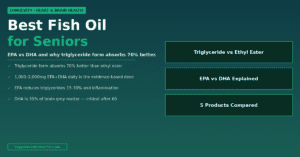
Choosing the best fish oil for seniors comes down to dose, form, and purity testing. Omega-3 fatty acids are among the most studied nutrients in preventive health, and for good reason. Decades of research have connected adequate EPA and DHA intake with reduced cardiovascular risk, lower triglycerides, slower cognitive decline, and reduced inflammation in joints and throughout the body. For seniors, the case for supplementation is particularly strong: dietary omega-3 intake tends to decline with age, the conversion of shorter-chain plant omega-3s to the usable EPA and DHA forms becomes even less efficient, and the anti-inflammatory effects become more relevant as chronic inflammation plays a larger role in conditions from heart disease to arthritis. The challenge is sorting through hundreds of products where label reading skills matter as much as brand recognition.
Table of Contents
Why fish oil matters for seniors
The two omega-3s that matter most in fish oil are EPA and DHA. EPA suppresses the inflammatory cascade more directly and is associated with reduced triglycerides, improved mood, and cardiovascular protection. DHA is concentrated in the brain (it makes up about 15 percent of total brain fat) and is the primary omega-3 supporting cognitive function and retinal health. As seniors age, both become more valuable: EPA’s anti-inflammatory effects counteract the chronic low-grade inflammation that accelerates aging, while DHA becomes more important for maintaining memory and processing speed. Studies in older adults have found associations between higher omega-3 status and slower brain volume loss, better executive function, and reduced dementia risk, though supplementation trials have shown more mixed results than observational data suggests. The cardiovascular data is stronger: the American Heart Association continues to recommend omega-3 supplementation for people with established heart disease or elevated triglycerides.
🏆 Best Fish Oil for Seniors
Carlson Elite Omega-3 Gems
1600mg omega-3 per serving (EPA + DHA), wild-caught Norwegian fish, IFOS 5-star certified, fresh lemon flavor, no fishy burps
The most important number on a fish oil label is not the total fish oil content but the combined EPA and DHA content in the Supplement Facts panel. A capsule labeled as 1200mg fish oil may only contain 360mg of combined omega-3, leaving you far short of any therapeutic dose with a single daily capsule. Aim for products delivering at least 1000mg of combined EPA and DHA per serving. Molecular form matters for absorption: triglyceride form (TG) absorbs roughly 70 percent better than ethyl ester form (EE), the cheaper alternative used in many high-concentration products. Freshness and purity matter because oxidized fish oil not only smells bad but may cause harm rather than benefit. IFOS 5-star certification independently verifies both purity (mercury, PCBs) and freshness (oxidation levels). Enteric coating helps with fishy burps if that is a concern, though choosing fresh, properly stored oil eliminates most of the problem.
Carlson Elite Omega-3 Gems: Best Overall Fish Oil for Seniors
Carlson has been making fish oil since 1982 and their Elite Omega-3 consistently ranks at the top of independent quality testing. Each soft gel delivers 1600mg of combined EPA and DHA from wild-caught Norwegian fish, IFOS 5-star certified for freshness and purity, with a lemon flavor that prevents the rancid aftertaste that affects cheaper products. The soft gels are larger than standard capsules, which some seniors find easier to swallow than small, multiple-capsule products.
Carlson uses natural triglyceride form, which means the omega-3s are in the molecular arrangement closest to how they exist in fish tissue. That translates to better absorption compared to the ethyl ester form used in many concentrate products. At under $30 for a supply that covers about a month at the recommended dose, Carlson delivers premium quality at a price that makes consistent daily use realistic.
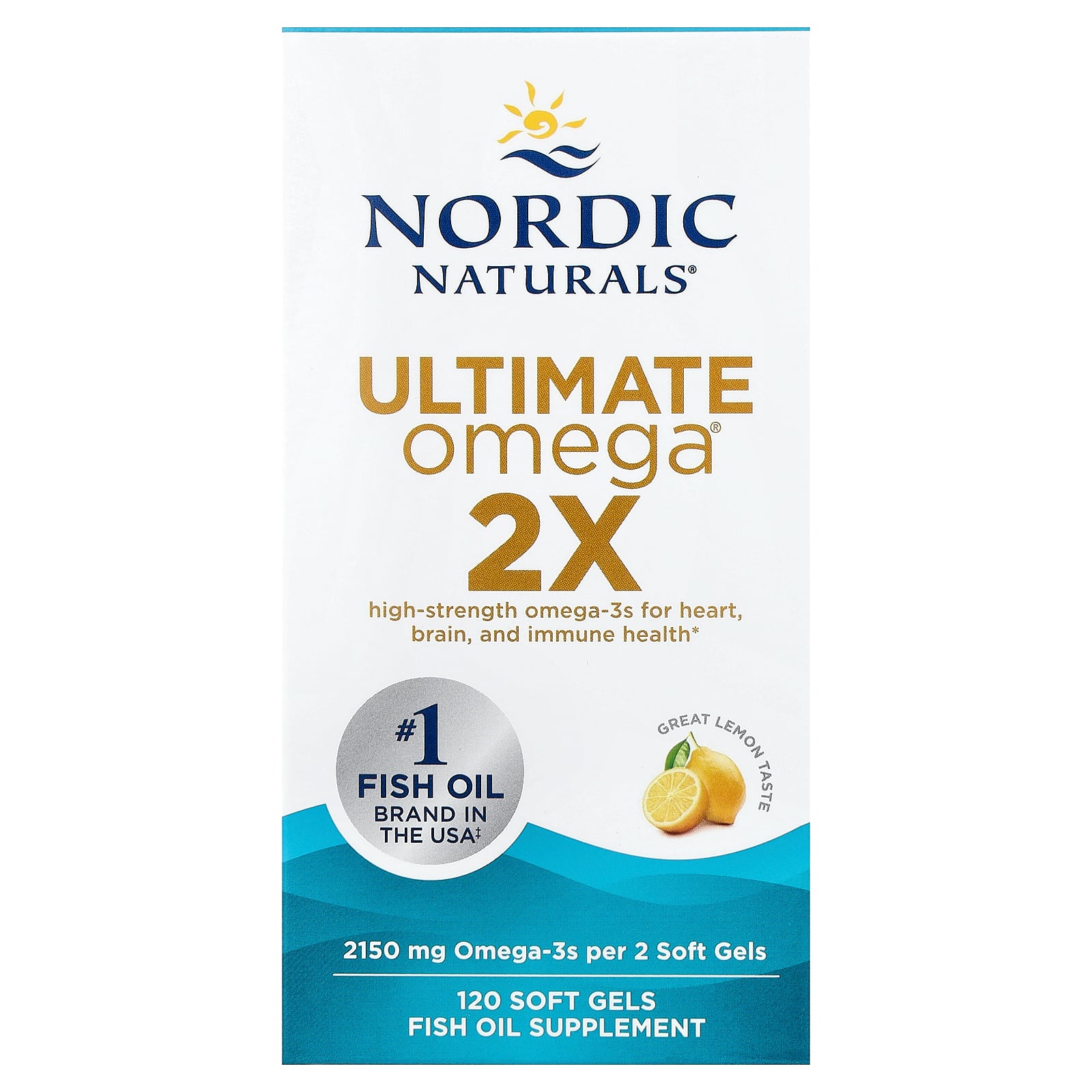
Nordic Naturals Ultimate Omega 2X: Best High-Potency Pick
Nordic Naturals is the brand most recommended by cardiologists and nutritionists who follow the omega-3 literature closely. Their Ultimate Omega 2X delivers 2150mg of combined EPA and DHA per two-soft-gel serving in natural triglyceride form, which is the most bioavailable option available outside prescription-strength products. The Friend of the Sea certification verifies sustainable sourcing, and the lemon flavor is effective enough that even seniors who have written off fish oil for the burp problem often tolerate Nordic Naturals without issue.
At $55, this is the premium tier, and it is priced that way for legitimate reasons: higher EPA and DHA concentrations in TG form, consistent independent quality verification, and a brand that has maintained product standards for over two decades. For seniors with established cardiovascular disease or high triglycerides where a physician has recommended omega-3 supplementation, Nordic Naturals delivers the dose and form that matches the clinical evidence most directly.
🔬 Best Value High-Dose Fish Oil for Seniors
Sports Research Triple Strength Omega-3
2000mg omega-3 per soft gel, triglyceride form, IFOS certified, Antarctic krill source, one capsule per day convenience
Sports Research Triple Strength Omega-3: Best Value High-Dose
Sports Research packs 2000mg of combined EPA and DHA into a single soft gel in triglyceride form, IFOS certified, at a price that undercuts Nordic Naturals significantly. For seniors who want high-dose omega-3 in TG form without spending $55 a month, this is the most compelling option in the market. One capsule per day simplifies the routine compared to products requiring two or three capsules to reach the same dose.
The soft gel is large, which is a relevant consideration for seniors with swallowing difficulties. But the combination of TG form, IFOS certification, high EPA and DHA per capsule, and competitive pricing at $30 makes Sports Research one of the best overall value propositions in the fish oil category. Over 45,000 reviews speak to consistent product performance across a very large customer base.
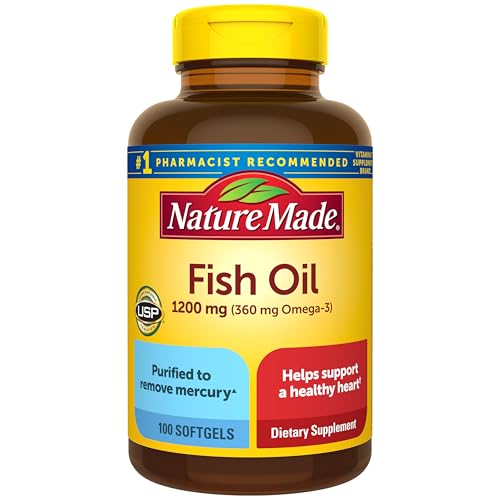
Nature Made Fish Oil 1200 mg: Best Budget Pick
Nature Made’s fish oil is purified to remove mercury and other contaminants. A two-softgel serving provides 720mg of omega-3s, including 600mg of EPA and DHA, so you would need a little more than that to reach a 1000mg EPA and DHA target. For seniors on a fixed income who want a widely available, reliable product without premium pricing, Nature Made is a sensible choice.
The cost per serving is low, and Nature Made is sold almost everywhere, which makes it easy to stay consistent. Take it with a meal that contains some fat for better absorption.
🌿 Best Budget Fish Oil for Seniors
Nature Made Fish Oil 1200 mg
1,200 mg fish oil softgels, 720 mg omega-3s per 2-softgel serving, purified to remove mercury
Viva Naturals Triple Strength Omega-3: Best Triglyceride-Form Budget Pick
Viva Naturals delivers 2200mg of combined EPA and DHA per serving in triglyceride molecular form, IFOS certified, with enteric coating to eliminate fishy burps, at a price point well below Nordic Naturals. That combination of TG form, high dose, independent certification, and enteric coating in one product at $25 makes it genuinely hard to beat on value. The enteric coating is particularly helpful for seniors who have tried and abandoned fish oil in the past due to digestive comfort.
The soft gels are concentrated, so you get high omega-3 delivery without having to swallow multiple capsules. For seniors who want TG form and burp-free supplementation at a budget closer to drugstore pricing, Viva Naturals fills a gap that most competitors at this price range cannot match. Over 32,000 reviews confirm consistent product quality and that the enteric coating delivers on its promise.
💰 Best Triglyceride-Form Budget Fish Oil
Viva Naturals Triple Strength Omega-3
2200mg omega-3 per serving, triglyceride molecular form, IFOS certified, burp-free enteric coating, great value
For most seniors, the core decision is between maximum quality assurance (Nordic Naturals, Carlson) versus best value at acceptable quality (Sports Research, Viva Naturals). Budget-focused seniors should start with Nature Made. Anyone who has experienced fishy burps and quit fish oil before should choose Viva Naturals or Sports Research for the enteric coating and fresher oil. Nordic Naturals is the right pick when a physician has recommended high-dose omega-3 supplementation for cardiovascular or triglyceride concerns and you want the closest consumer equivalent to what trials use. Whatever product you choose, check the EPA and DHA content on the label and aim for 1000 to 2000mg of combined omega-3 daily, not the total fish oil weight.
Frequently Asked Questions
How much fish oil should seniors take?
Most cardiologists and nutritional researchers suggest 1,000 to 2,000mg of combined EPA and DHA daily for general heart and inflammation support. Note that this is the omega-3 content (EPA + DHA), not the total fish oil amount on the label. A capsule labeled 1200mg fish oil may contain only 360mg of combined omega-3, which is well under the target. Check the Supplement Facts panel for actual EPA and DHA numbers.
Is fish oil safe with blood thinners?
At doses of 3 grams of omega-3 or less per day, the antiplatelet effects of fish oil are mild and generally do not cause clinically significant bleeding risk. However, because both fish oil and anticoagulants like warfarin affect clotting to varying degrees, seniors on blood thinners should inform their doctor before starting or increasing fish oil intake. The interaction is manageable, not a hard contraindication, in most cases.
What is the difference between EPA and DHA?
EPA has stronger anti-inflammatory effects and is more relevant for cardiovascular risk markers, mood, and triglyceride reduction. DHA is the primary structural fat in brain tissue and is more important for cognitive function and eye health. Most fish oil supplements contain both, typically in a 3:2 EPA to DHA ratio, which covers most health goals simultaneously.
What does IFOS certified mean?
IFOS (International Fish Oil Standards) is an independent third-party testing program that verifies fish oil products for purity, potency, and freshness. IFOS 5-star certification confirms that the product meets strict limits for mercury, PCBs, dioxins, and other contaminants, and that the EPA and DHA content matches the label. For seniors, buying IFOS-certified fish oil is one of the most reliable ways to ensure product quality.
How do I avoid fishy burps from fish oil?
Fishy burps happen when fish oil oxidizes in the upper GI tract. Several strategies help: freeze the capsules before taking them, take them with food rather than on an empty stomach, choose enteric-coated products that dissolve in the small intestine rather than the stomach, and pick products certified for freshness. A strong fishy odor when you open the bottle is a sign the oil is already oxidized and should be replaced.
Fish oil is one of the few supplements where the evidence for seniors is broad enough to apply across multiple health concerns at once. A single daily habit that supports heart, brain, joints, and inflammation management is a meaningful return. The key is reading labels for actual EPA and DHA content rather than total fish oil weight, and choosing a product that is independently verified for freshness and purity. Any of the five options above will serve you better than a generic drugstore brand where quality control is unknown.
Which supplements to lower blood pressure have real evidence after 50? Garlic, magnesium and beetroot nitrate compared, plus DASH, drug interactions and safety.
Looking for the best quercetin supplement? We compare 5 picks for seniors and explain phytosome absorption, senolytic hype, blood pressure data and interactions.
Menopause symptoms (hot flashes, sleep disruption): Shatavari and ashwagandha both have 2025 clinical trial evidence for symptom relief without hormone…
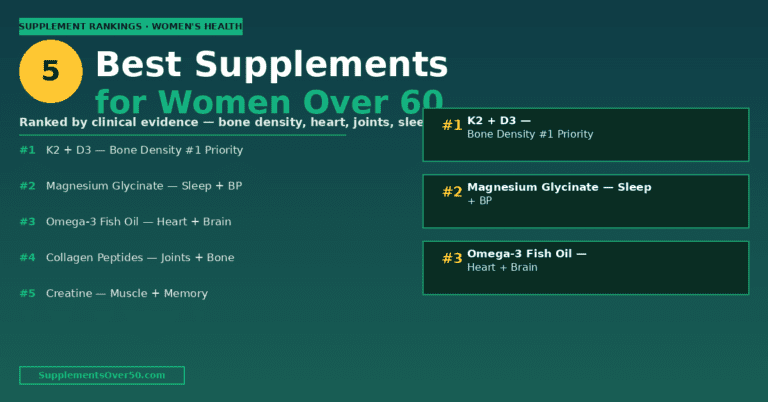
The best supplements for men over 50, nutrient by nutrient: vitamin D, B12, omega-3, magnesium and creatine, with 5 budget picks and who should check with a doctor.