This guide contains affiliate links. If you buy through them, we may earn a small commission at no extra cost to you.
Choosing the best magnesium glycinate for seniors means checking elemental magnesium per serving, chelate quality, and testing. Magnesium is one of the most widespread deficiencies in older adults, and it is also one of the most underappreciated. The mineral is involved in over 300 enzymatic reactions, including muscle contraction, nerve signaling, blood sugar regulation, and bone formation. After 50, magnesium absorption from food declines while urinary excretion increases, and many common medications, including diuretics, proton pump inhibitors, and some diabetes drugs, deplete it further. The result is that a significant portion of seniors are running on low magnesium without knowing it, and the symptoms look like normal aging: poor sleep, muscle cramps, anxiety, and fatigue.
Table of Contents
Why magnesium glycinate specifically matters for seniors
Not all magnesium supplements are equivalent. The mineral needs to be bound to something to be stable in a capsule, and what it is bound to affects how much of it your body actually absorbs and what side effects you experience. Magnesium oxide, the cheapest and most common form, is absorbed at around 4 percent. Magnesium citrate absorbs better but causes loose stools at higher doses, which is fine for constipation but not ideal as a daily sleep or bone supplement. Magnesium glycinate binds the mineral to glycine, an amino acid. This chelated form absorbs at significantly higher rates, does not cause digestive distress, and delivers a two-for-one benefit: magnesium plus glycine, both of which independently support sleep quality. For seniors whose goals include better sleep, reduced muscle cramps, or bone density support without GI side effects, glycinate is the right form.
🏆 Best Magnesium Glycinate for Seniors
Thorne Magnesium Bisglycinate
Bisglycinate chelate form, NSF Certified, 200mg elemental magnesium per serving, gentle on stomach, ideal for sleep
What to look for in magnesium glycinate for seniors
Read labels carefully because magnesium content varies by weight of the compound. A product labeled 400mg magnesium glycinate is not providing 400mg of elemental magnesium; it is providing 400mg of the glycinate compound, which contains significantly less actual magnesium. Look for the elemental magnesium amount explicitly stated on the Supplement Facts panel. Chelated forms labeled TRAACS (Thorne’s and Doctor’s Best’s designation) indicate the specific bisglycinate lysinate chelate used in the research. Third-party testing matters here because some products claiming to be glycinate contain cheaper oxide blended in, which defeats the purpose. Timing is also worth noting: magnesium taken at night tends to deliver the best sleep benefits because it works with the body’s natural cortisol drop in the evening.
Bisglycinate chelate, NSF Certified, 200mg elemental per serving
Doctor’s Best High Absorption Magnesium Glycinate
Best value
TRAACS chelated glycinate lysinate, 100mg per tablet
Life Extension Magnesium Caps 500mg
Best high-dose (blend)
Oxide, citrate and succinate, 500mg per cap
NOW Foods Magnesium Glycinate 180mg
Best budget
180mg as glycinate chelate, GMP certified, vegetarian
Pure Encapsulations Magnesium Glycinate
Best hypoallergenic
Fully chelated glycinate, free of common allergens
Top Picks for the Best Magnesium Glycinate for Seniors
Thorne Magnesium Bisglycinate: Best Overall Magnesium Glycinate for Seniors
Thorne is the brand most physicians and dietitians reach for when they want to recommend a supplement they know has been independently verified. Their magnesium bisglycinate uses the TRAACS chelate, carries NSF Certified for Sport verification, and provides 200mg of elemental magnesium per serving. That is a meaningful dose, not the token 50 to 100mg that some products offer to claim the glycinate form while keeping costs down. The powder formulation can also be mixed into water, which suits seniors who have difficulty swallowing capsules.
At $28, Thorne is a mid-range price for the quality assurance it delivers. The NSF certification means every batch is tested for label accuracy and contaminants, not just a representative sample. For seniors who take multiple supplements and want the highest confidence in what they are putting in their body, Thorne is the benchmark for this category.
Doctor’s Best High Absorption Magnesium Glycinate: Best Value
Doctor’s Best has one of the most reviewed magnesium supplements on Amazon for a reason. The TRAACS chelated magnesium glycinate lysinate used here is the same high-bioavailability form found in Thorne’s product, at a lower price per dose. Each tablet provides 100mg of elemental magnesium, so two tablets hits the 200mg level that matches most sleep and muscle research. No laxative effect, no GI discomfort, and over 55,000 reviews confirm it delivers what the label says.
At under $17 for a 120-tablet supply, Doctor’s Best offers the TRAACS chelate at drugstore pricing, which makes consistent daily use financially sustainable for seniors on fixed incomes. The tablet format is compact and easy to take. This is the highest-value glycinate option on the market by a meaningful margin.
🔬 Best High-Dose Magnesium for Seniors
Life Extension Magnesium Caps 500mg
Blend of oxide, citrate, and succinate, 500mg per cap, budget-friendly, good for general magnesium repletion
Life Extension Magnesium Caps 500mg: Best High-Dose Blend (Not Pure Glycinate)
Life Extension’s magnesium blend uses oxide, citrate, and succinate rather than pure glycinate, which is worth noting for seniors specifically trying to avoid GI effects. At 500mg total magnesium per capsule, the oxide component means actual elemental absorption is lower than the number suggests. That said, it is a solid general-purpose magnesium supplement at an excellent price, and for seniors focused on repletion rather than sleep specifically, the combined forms cover different absorption pathways.
Life Extension’s quality control is strong and their products are regularly third-party tested. At $14 for a month’s supply, this is the most affordable option on the list. If you are primarily looking for broad magnesium support and can tolerate citrate well, this is a smart budget choice. For sleep-specific goals, glycinate-only products will likely serve you better. To compare glycinate with citrate, threonate and other forms, see our ranking of the best magnesium supplements for seniors.
NOW Foods Magnesium Glycinate 180mg: Best Budget Pick
NOW Foods delivers a straightforward chelated glycinate at 180mg elemental magnesium per serving in a vegetarian capsule. GMP certified, no unnecessary additives, and genuinely glycinate form rather than a blend. This is the right choice for seniors who want a clean glycinate product at a price between the premium brands and the bottom of the market. The dose is adequate for daily sleep and muscle cramp support.
NOW’s manufacturing consistency is well-established across their product line, and 20,000-plus reviews for this specific product reflect years of reliable performance. At $20, it costs a few dollars more than Doctor’s Best per serving but is easier to find in physical retail for seniors who prefer not to order online regularly.
🌿 Best Budget Magnesium Glycinate for Seniors
NOW Foods Magnesium Glycinate 180mg
180mg magnesium as glycinate chelate, GMP certified, vegetarian, no laxative effect, great everyday sleep and bone option
Pure Encapsulations Magnesium Glycinate: Best Hypoallergenic Pick
Pure Encapsulations is the practitioner-grade option for seniors with allergies, intolerances, or sensitivity to supplement additives. Their magnesium glycinate is fully chelated and hypoallergenic by design: no wheat, gluten, eggs, dairy, soy, peanuts, nuts, or artificial colors and preservatives. The clean formula is particularly relevant for seniors managing autoimmune conditions or food sensitivities who need to know exactly what is in every capsule.
At $35, it is the most expensive option on this list. The premium pays for the hypoallergenic formulation and the practitioner-grade manufacturing standard rather than a higher dose. If you do not have allergy or sensitivity concerns, Doctor’s Best or NOW Foods will give you similar magnesium at a fraction of the cost. But for the right senior, Pure Encapsulations is worth every dollar of the premium.
💰 Best Hypoallergenic Magnesium for Seniors
Pure Encapsulations Magnesium Glycinate
Fully chelated glycinate, free of common allergens, no unnecessary additives, practitioner-grade, good for sensitive seniors
How to Choose the Best Magnesium Glycinate for Seniors
For most seniors, the Doctor’s Best TRAACS formula delivers the best combination of verified form, adequate dose, and price. Thorne is the right choice if you want the highest purity assurance and NSF certification. NOW Foods sits in the middle and works well for everyday use. Pure Encapsulations is for seniors with genuine sensitivity or allergy concerns where formulation cleanliness is non-negotiable. Life Extension works as a budget general-purpose magnesium but is not a pure glycinate, so adjust your expectations accordingly. Regardless of which product you choose, taking it in the evening will give you the best chance of noticing the sleep benefits that make magnesium glycinate particularly valuable for this age group.
Frequently Asked Questions
What is the best form of magnesium for seniors?
Magnesium glycinate is generally the top recommendation for seniors because it is well-absorbed, gentle on the digestive system, and does not cause the laxative effect that oxide and citrate forms can at higher doses. Glycinate also has a calming effect from the glycine component, which supports sleep. Magnesium malate is a reasonable alternative for energy and muscle function. Oxide should be avoided as a primary supplement due to poor absorption.
Can seniors take magnesium daily?
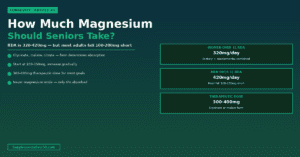
Yes, daily magnesium supplementation is safe for most seniors and is actually the only way to maintain consistent tissue levels. The RDA for adults over 51 is 420mg for men and 320mg for women, and studies consistently show a significant portion of older adults fall below adequate intake from diet alone. Starting at 200 to 300mg of elemental magnesium from glycinate or citrate form and adjusting from there is the standard approach.
Does magnesium glycinate help with sleep?
Yes, and this is one of the more consistent findings in the research. Magnesium regulates GABA receptors, the same receptors targeted by sleep medications, and deficiency is directly associated with insomnia and poor sleep quality in older adults. Glycinate form specifically adds the glycine component, which independently improves sleep quality in clinical studies. Taking 200 to 400mg of magnesium glycinate an hour before bed is the most common evidence-informed protocol.
How long does magnesium take to work for sleep?
Most people who respond to magnesium for sleep notice improvements within one to two weeks of consistent nightly use. Rebuilding depleted tissue stores takes longer, typically 4 to 8 weeks. Unlike sedative medications, the effect is not immediate but builds as magnesium status normalizes. If you notice no change after 4 weeks at an adequate dose, a different form or a higher dose may be worth trying.
Can magnesium glycinate interact with medications?
Magnesium can reduce the absorption of some antibiotics, particularly fluoroquinolones and tetracyclines, if taken at the same time. It may also interact with bisphosphonates used for osteoporosis, and high doses can affect blood pressure medications. Spacing magnesium 2 hours apart from other medications and checking with your pharmacist about specific interactions is advisable for seniors on multiple prescriptions.
Magnesium glycinate is one of the most straightforward supplement additions a senior can make. The deficiency is common, the form is well-tolerated, and the benefits for sleep, muscle cramps, and bone health are genuinely supported by the evidence. Start with 200mg of elemental magnesium from a glycinate form in the evening, give it a month to normalize tissue levels, and pay attention to how your sleep and morning energy change. For most people, it is one of the higher-return additions to a daily supplement routine.
The best supplements for acid reflux in seniors, honestly ranked: alginates first, plus DGL, zinc carnosine, melatonin, PPI nutrient tips and red flags.