If you’re a woman over 60, magnesium may be one of the most impactful supplements you’re not getting enough of. According to the NIH Office of Dietary Supplements, nearly 48% of Americans don’t meet their recommended daily intake of magnesium — and the rate is even higher among older adults. For post-menopausal women, the consequences can range from disrupted sleep and persistent muscle cramps to weakened bones and higher cardiovascular risk.
In this guide, we break down the best magnesium supplement for women over 60 — comparing the most popular forms, their specific benefits for post-menopausal health, and how to choose the right one for your needs.
Why Women Over 60 Need More Magnesium Attention
Magnesium is involved in over 300 enzymatic reactions in the body, including protein synthesis, muscle and nerve function, blood glucose control, and blood pressure regulation. For women over 60, several factors converge to make deficiency especially common and concerning:
Declining estrogen: Estrogen helps the kidneys retain magnesium. After menopause, estrogen levels drop sharply, causing the kidneys to excrete more magnesium — often outpacing dietary intake.
Reduced intestinal absorption: Aging naturally decreases the efficiency of nutrient absorption. Magnesium absorption can drop by 30% or more between ages 40 and 70.
Medication interactions: Common medications in this age group — including proton pump inhibitors, diuretics, and certain antibiotics — further deplete magnesium.
Dietary gaps: Many older adults reduce their intake of magnesium-rich foods like nuts, seeds, leafy greens, and whole grains, often due to digestive discomfort or changing appetite.
The American Bone Health organization highlights magnesium as a critical co-nutrient for calcium metabolism and bone density preservation — a major concern for post-menopausal women who lose bone mass at an accelerated rate.
The 3 Best Forms of Magnesium for Women Over 60
🏆 Best Magnesium for Women Over 60
Doctor’s Best High Absorption Magnesium Glycinate
Chelated magnesium glycinate lysinate, 200 mg per serving, gentle on the stomach, sleep and muscle support
Not all magnesium is equal. The mineral is always bound to another compound in supplement form, and the compound determines how well it absorbs, what side effects it may cause, and which health goal it best supports. Here are the three forms most relevant for women over 60:
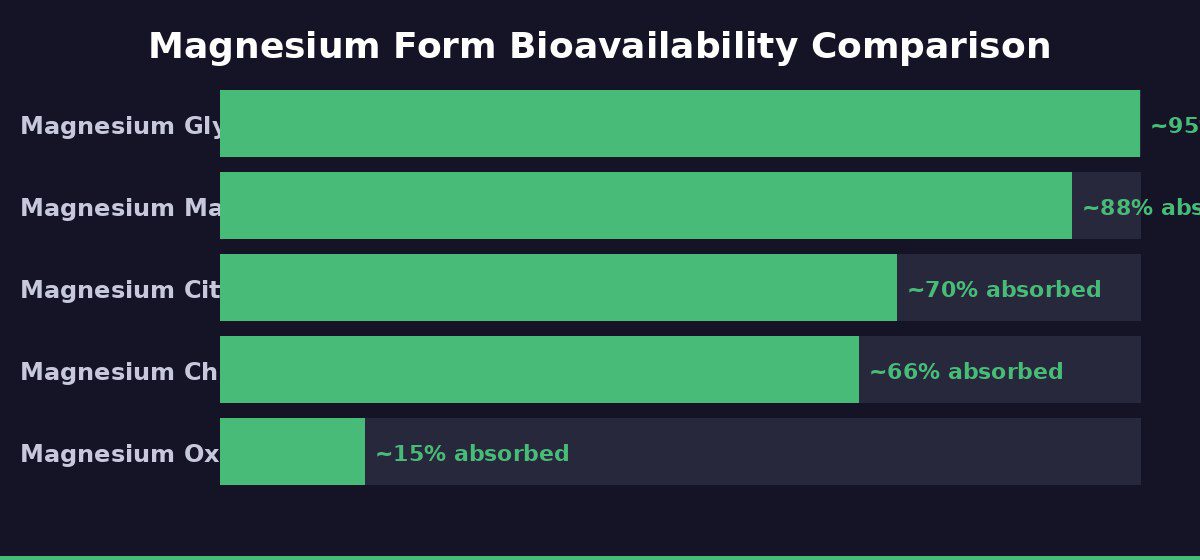
Magnesium glycinate, malate, and citrate compared for absorbability and key benefits
1. Magnesium Glycinate — Best for Sleep and Anxiety
Magnesium glycinate is formed by combining magnesium with glycine, an amino acid with its own calming properties. This chelated form is among the most bioavailable on the market, meaning more of what you take actually reaches your cells. It is also the gentlest on the digestive system — making it ideal for women who’ve found other forms cause loose stools or GI upset.
Best for: Sleep quality, anxiety, muscle relaxation, nighttime leg cramps Typical dose: 200–400 mg before bed Absorption: Excellent — the glycine bond resists premature release in the stomach
Research published in the Journal of Research in Medical Sciences found that magnesium supplementation significantly improved insomnia severity, sleep efficiency, and early morning awakening in older adults — exactly the sleep disruptions most common after menopause. The National Sleep Foundation notes that magnesium helps regulate GABA, the neurotransmitter that quiets neural activity to allow sleep.
2. Magnesium Malate — Best for Fatigue and Muscle Pain
⚡ Best Magnesium Powder for Women
Natural Vitality Calm Magnesium Powder
Magnesium citrate powder, flavored drink mix, relaxing formula for stress, sleep and digestion
Magnesium malate combines magnesium with malic acid, a compound naturally found in apples and involved in the ATP energy production cycle (the Krebs cycle). This makes it a particularly smart choice for women experiencing fatigue, low energy, or muscle pain — symptoms often dismissed as simply “getting older” but sometimes rooted in magnesium deficiency and mitochondrial function decline.
Best for: Fatigue, muscle soreness, fibromyalgia symptoms Typical dose: 300–400 mg, taken in the morning or afternoon Absorption: Very good, with additional energy-metabolism benefits from malic acid
3. Magnesium Citrate — Best for Bone Health and Constipation
Magnesium citrate is one of the most widely studied and affordable forms available. Bound to citric acid, it has around 30% elemental magnesium content and solid absorption rates — significantly better than cheap oxide formulas. It also has a mild osmotic laxative effect, which can be welcome for the constipation that commonly affects women over 60.
Best for: Bone health, constipation relief, general supplementation Typical dose: 200–400 mg daily Absorption: Good — significantly better than magnesium oxide
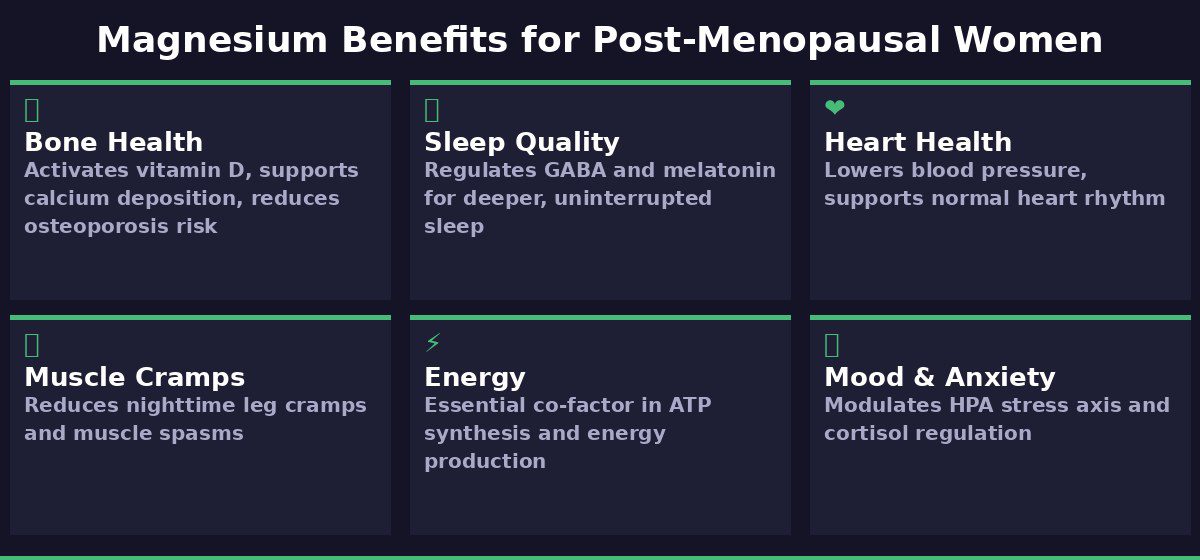
After menopause, women can lose up to 20% of their bone density in the first five to seven years — a dramatic shift driven largely by estrogen decline. While calcium and vitamin D get most of the attention, magnesium is equally critical. Here’s why: approximately 60% of the body’s magnesium is stored in bone, and it directly regulates how calcium is deposited into bone tissue. Without adequate magnesium, calcium is less efficiently incorporated into the bone matrix.
A large cross-sectional study published in the American Journal of Clinical Nutrition found that higher magnesium intake was significantly associated with greater bone mineral density in older women. The American Bone Health organization specifically recommends that women focus on magnesium alongside calcium supplementation for optimal bone protection.
Sleep Quality After Menopause
Sleep disturbances are one of the most common and debilitating complaints among post-menopausal women. Hot flashes, anxiety, and hormonal changes all disrupt sleep architecture — and magnesium deficiency compounds the problem. Magnesium helps regulate the hypothalamic-pituitary axis and interacts with GABA receptors in the brain, promoting relaxation and making it easier to both fall asleep and stay asleep.
If sleep is your primary concern, magnesium glycinate taken 30–60 minutes before bed is the most evidence-backed choice. For more options, see our roundup: Best Sleep Supplements for Seniors.
Heart Health
Cardiovascular disease becomes the leading cause of death for women after menopause — surpassing all cancers combined, according to the American Heart Association. Magnesium plays several protective roles in heart health: it helps maintain normal heart rhythm, supports healthy blood pressure, and reduces arterial stiffness.
Population studies consistently show that higher magnesium intake is associated with lower rates of hypertension and cardiovascular events. A 2021 meta-analysis in the Nutrients journal found that magnesium supplementation produced a modest but statistically significant reduction in systolic and diastolic blood pressure — clinically meaningful for post-menopausal women already at elevated cardiovascular risk.
Muscle Cramps and Spasms
🌿 Best Budget Magnesium Citrate for Women
NOW Foods Magnesium Citrate 200mg
200mg magnesium citrate per tablet, GMP certified, supports bone density, energy and heart health
Nighttime leg cramps affect an estimated 33–50% of adults over 60. While the causes are multifactorial, magnesium deficiency is a documented contributor — magnesium regulates the neuromuscular signals that control muscle contraction and relaxation. When magnesium levels drop, muscles can fire erratically, causing the involuntary, painful contractions that wake women in the night.
Magnesium glycinate and malate are both good choices for cramp prevention. They work best as a consistent daily supplement rather than taken only when cramps occur.
Signs You May Be Magnesium Deficient
Magnesium deficiency is often called a “silent” deficiency because symptoms are easy to overlook or attribute to aging. For women over 60, common signs include:
Symptom
How Magnesium Helps
Muscle cramps and spasms
Regulates neuromuscular transmission and muscle relaxation
Poor sleep / insomnia
Activates GABA receptors that calm nervous system activity
Fatigue and low energy
Magnesium is required for ATP (energy) synthesis in every cell
Irregular heartbeat / palpitations
Maintains stable electrical signals in heart muscle
According to the NIH, the Recommended Dietary Allowance (RDA) for magnesium in women over 31 is 320 mg per day from all sources, including food. Most women over 60 fall short of this through diet alone. In terms of supplementation:
Starting dose: 100–150 mg per day for 1–2 weeks to assess tolerance
Maintenance dose: 200–320 mg per day (accounting for dietary intake)
Upper tolerable intake level: 350 mg/day from supplements (the NIH sets this as the safe upper limit to avoid loose stools)
Magnesium oxide is the most common and cheapest form you’ll see on drugstore shelves — and also the least effective. It has only about 4% bioavailability in some studies, meaning most of what you take passes through without being absorbed. Unless you specifically need it as a laxative, avoid oxide-based formulas.
Inorganic salts like magnesium sulfate (Epsom salt) are useful topically or as a one-time laxative but are poorly absorbed when taken as a daily oral supplement.
Magnesium and Other Supplements: Key Interactions
Magnesium works synergistically with several other supplements that women over 60 commonly take. Understanding these interactions helps you get more out of your supplement routine:
Vitamin D: Magnesium is required to activate vitamin D in the liver and kidneys. Without adequate magnesium, vitamin D supplementation may be less effective — and in some cases may even worsen magnesium depletion.
Calcium: Take magnesium and calcium at different times of day when possible; they compete for absorption through the same intestinal channels. A common approach is calcium in the morning, magnesium glycinate at night.
Vitamin K2: Works with both magnesium and vitamin D to direct calcium into bone rather than arteries. For comprehensive bone and heart protection, many practitioners recommend this trio together.
B vitamins: B6 specifically enhances magnesium uptake into cells; look for formulas that combine these two if you’re targeting PMS symptoms, anxiety, or premenstrual water retention.
When shopping for magnesium, the quality of the product matters as much as the form. Here’s what to look for:
Third-party tested: Look for USP, NSF International, or ConsumerLab verification to confirm label accuracy and absence of contaminants.
Chelated forms: Glycinate, malate, and bisglycinate are all chelated — meaning the magnesium is bound to an organic compound that protects it during digestion. Avoid oxide and sulfate unless you have specific reasons.
No unnecessary fillers: Avoid products with large amounts of artificial colorings, titanium dioxide, or magnesium stearate as the primary filler (a small amount as a flow agent is acceptable).
Dosage transparency: The label should clearly state the amount of elemental magnesium, not just the total weight of the compound.
Capsule vs. powder: Powders like magnesium glycinate powder dissolved in water absorb quickly and can be dosed more flexibly; capsules are more convenient for travel.
Frequently Asked Questions
What is the best form of magnesium for women over 60?
Magnesium glycinate is generally considered the best form for women over 60 because it is highly absorbable and gentle on the stomach. It is particularly helpful for sleep quality and muscle relaxation. Magnesium malate is another excellent option for women experiencing fatigue, while magnesium citrate is a cost-effective choice that also supports bone health.
How much magnesium should a woman over 60 take daily?
The NIH recommends 320 mg of magnesium per day for women over 31, including those over 60. However, individual needs may vary based on diet, medications, and health conditions. It is best to start with a lower dose and consult your healthcare provider before exceeding 350 mg per day from supplements.
Does magnesium help with sleep for women over 60?
Yes. Magnesium plays a key role in regulating melatonin, the hormone that controls sleep-wake cycles. Several studies suggest that magnesium supplementation — especially magnesium glycinate — can improve sleep quality, reduce the time it takes to fall asleep, and decrease nighttime awakenings in older adults.
Can magnesium help with bone health after menopause?
Magnesium is essential for bone metabolism. It helps activate vitamin D, regulates calcium transport, and supports the formation of bone mineral crystals. Studies link low magnesium intake to lower bone mineral density and an increased risk of osteoporosis, a major concern for post-menopausal women.
Is magnesium safe for women over 60 with heart conditions?
For most women over 60, magnesium supplementation at recommended doses is safe and may even support heart health by helping regulate blood pressure and normal heart rhythm. However, women with kidney disease or those taking certain heart medications should consult their doctor before starting supplementation, as impaired kidneys may not excrete excess magnesium efficiently.
What are signs of magnesium deficiency in women over 60?
Common signs include muscle cramps, twitches, and spasms; poor sleep; fatigue; irregular heartbeat; anxiety; constipation; and high blood pressure. Post-menopausal women are at particular risk because estrogen decline reduces magnesium retention in the body. Learn more: Signs of Magnesium Deficiency After 60.
Top Magnesium Supplements for Women Over 60
Magnesium Glycinate is the preferred form for sleep support and anxiety reduction — it crosses the blood-brain barrier more effectively than oxide or citrate. Doctor’s Best High Absorption Magnesium uses the glycinate chelate form and is one of the most widely recommended options by US integrative physicians.
Magnesium Citrate is better tolerated digestively and provides gentle bowel support — helpful for the constipation that becomes more common after 60. Natural Vitality CALM magnesium powder is a popular US option in this category.
Magnesium Malate is the preferred form for energy and muscle function — malate is a krebs cycle intermediate that supports ATP production. Jarrow Formulas Magnesium Malate provides 420mg elemental magnesium per serving.
Gifts for women over 50 she will actually use: 7 beauty, wellness and tech picks, from Dyson and Lancôme to Kindle and Hatch, plus tips by interest and budget.
The best bone density supplements for women over 50, beyond basic calcium: D3, K2, magnesium and collagen picks, calcium limits, warfarin cautions and DEXA advice.
Urolithin A activates mitophagy to clear damaged mitochondria — but only Mitopure has clinical trial data. We break down the science, dosing, and whether it’s worth $80/month for seniors over 60.
Experiencing hair thinning after 50? Discover which supplements actually have scientific evidence to support hair growth and improve hair density naturally.